
Table of Contents
Living in Molise
Molise is Italy’s second‑smallest region (4,438 km²) with just 35 kilometres of Adriatic coastline, yet it squeezes in mountain plateaus, medieval hill towns and quiet beaches. Because it remained part of Abruzzo until 1963, the region avoided large‑scale gentrification; today it is a microcosm where you can have breakfast in snow‑dusted mountains and swim in the sea by lunchtime. Rich soil and an ideal climate have also made Molise one of Italy’s premier truffle regions. In addition to the beauty and food, living in Molise is affordable with an estimated the monthly cost of living for one person in the region at around US $1,083 (including rent) and US $737 (without rent), while a family of four spends about US $2,866 with rent. These figures make Molise roughly 1.4 times less expensive than the Italian average. As a result, the region ranks ninth in liveability among Italy’s regions.
Below are some of the most appealing places to call home in Molise. Each offers a different mix of history, natural beauty and community life.
Campobasso – Vibrant Capital in the Mountains
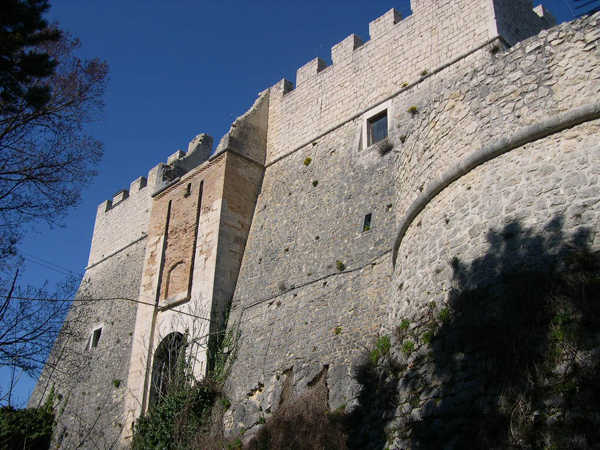
Campobasso is the regional capital and largest city of Molise. Situated in the high basin of the Biferno river and encircled by the Sannio and Matese mountains, it sits at about 701m above sea level, making it one of the colder cities in central and southern Italy, with winter snows common. The city’s hilltop Monforte Castle (792m) and medieval core stand out above the modern town.
Why live here?
- Historical charm and artisan crafts: Campobasso has long been known for its blade‑making tradition—hand‑crafted scissors and knives—and for products like pears and scamorza cheese. Its historic centre is filled with medieval streets and churches, and the castle offers panoramic views.
- Education and culture: The city hosts the University of Molise and the Archdiocese of Campobasso‑Boiano, supporting a youthful atmosphere, cultural events and research institutions.
- Modern amenities at a reasonable cost: As the regional capital, Campobasso has hospitals, schools, theatres and restaurants but retains a manageable scale and lower cost of living compared with larger Italian cities.
- Climate for all seasons: At this altitude summers are mild and breezy, while winter brings snow for skiing enthusiasts.
Termoli – Coastal Living on the Adriatic
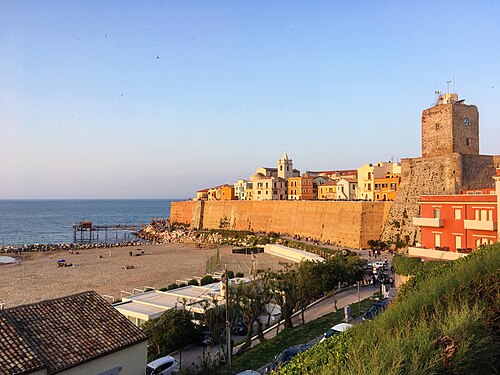
Termoli is Molise’s principal seaside town. Located on a promontory on the Adriatic coast, the town has about 32,000 inhabitants and contains Molise’s only commercial port. After World War II it rapidly expanded into a popular resort, yet its historic centre retains colourful fishermen’s houses, narrow lanes, wooden fishing structures known as trabucchi, the Romanesque Cathedral of Santa Maria della Purificazione and the Castello Svevo. A fortified wall drops straight to the sea while long sandy beaches stretch north and south.
Why live here?
- Beaches and waterfront lifestyle: Termoli offers golden beaches and a lively seaside promenade lined with restaurants, cafés and hotels. The port provides ferry connections to the Tremiti Islands and fishing boats supply fresh seafood.
- Mediterranean climate: The town enjoys a Mediterranean (Csa) climate with mild winters and long, hot summers moderated by sea breezes. The climate makes outdoor living possible most of the year.
- Excellent transport links: Termoli lies on the Ancona–Lecce railway and the Termoli–Campobasso line, providing fast connections to Pescara, Bari, Rome and beyond. Roads connect quickly to the A14 motorway.
- Old‑town atmosphere: Despite modern expansion, Termoli’s walled historic centre still feels like a fishing village, with whitewashed houses, cobbled streets and panoramic views over the Adriatic.
Isernia – Small City with Ancient Roots
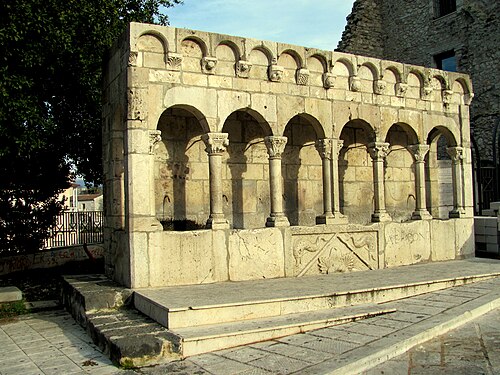
Isernia is a town of about 20,863 residents (31 Dec 2021) and the capital of the Province of Isernia. It sits on a rocky crest between the Carpino and Sordo rivers. The town plan follows the layout of the ancient Roman colony Aesernia—the main street Corso Marcelli traces the Roman cardo maximus with side streets at right angles.
Why live here?
- Roman heritage: The town’s street grid and archaeological remains remind residents daily of its ancient past, while museums and Roman bridges dot the area.
- Walkable historic centre: Isernia’s core features narrow streets lined with stone houses, small shops and cafés. Because the town spreads across a ridge, many homes enjoy river or valley views.
- Peaceful pace: With less than 25,000 people, Isernia offers a slower pace of life compared to larger cities but still has essential services, schools and healthcare.
- Frazioni and countryside: Isernia oversees 16 frazioni – small hamlets in the surrounding countryside. Living in these villages allows a rural lifestyle while staying close to town conveniences.
Agnone – Artisans and Bell Foundries
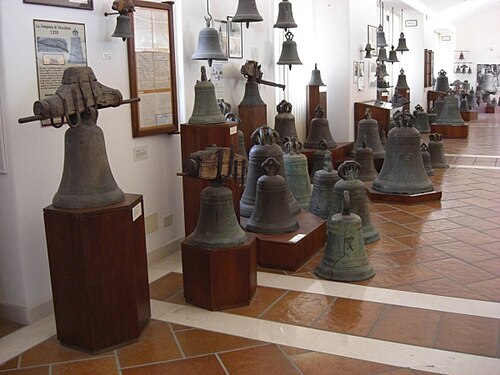
Perched in the hills of the Province of Isernia about 53km north‑west of Campobasso, Agnone is famous for the Marinelli Bell Foundry. This family‑owned foundry dates back to at least 1339 (tradition claims 1040) and was declared a pontifical foundry in 1924. The town is surrounded by archaeological vestiges of the Oscan–Samnite civilization and has been called the “Athens of the Sannio” for its classical heritage.
Why live here?
Cultural vibrancy: The town hosts festivals celebrating bells and local food; being near a nucleus of Samnite ruins gives history enthusiasts endless exploration.
Heritage craftsmanship: The Marinelli Foundry still produces up to 50 bronze bells a year and employs about a dozen artisans. Living in Agnone means being part of a community proud of centuries‑old craft traditions.
Historic centre: Cobblestone streets, stone churches and palazzos reflect Agnone’s medieval and Renaissance past. Local shops sell handmade lace, copperware and cheeses.
Natural surroundings: At roughly 830 m elevation, Agnone enjoys mountain air and green landscapes. Hiking and cycling trails through the Apennines start nearby.
Venafro – Olive Heritage and Festivals
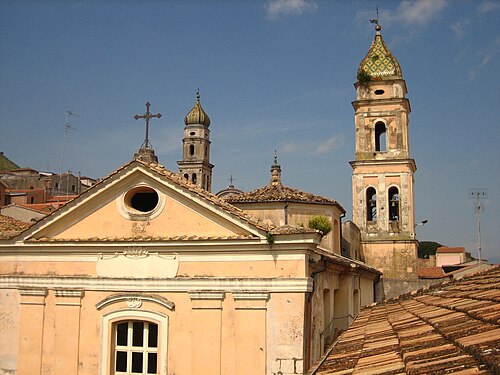
Positioned at the south‑western corner of Molise near the border with Campania, Venafro is known for its olive groves and strategic location. Behind the town’s cathedral sits the Regional Agricultural Historical Olive Park – the first olive‑themed park in the Mediterranean—created to preserve Venafro’s centuries‑old olive heritage. The town’s economy is rooted in olive oil production, which earned Venafro the title of “Oil City”.
Why live here?
- Green spaces and olive culture: Strolling through the olive park offers a glimpse into traditional olive farming, and many families still harvest their own olives.
- Festivals: Venafro celebrates the Feast of the Holy Martyrs and Patrons each June 16–18, drawing thousands of visitors for religious processions, concerts and fireworks. Numerous other cultural and religious events fill the calendar.
- Convenient connections: The town’s location on major road and rail corridors gives residents quick access to neighbouring regions.
- Under‑the‑radar charm: Despite its heritage and architecture, tourism remains underdeveloped here, making Venafro appealing for those who want authenticity without crowds.
Living Incentives and Practical Considerations
- Financial incentives: In 2019 the Molise regional government launched a program offering newcomers €700 per month for three years if they moved to villages with fewer than 2,000 inhabitants and started a business. Towns that qualified also received €10,000 for infrastructure and cultural activities. The initiative aimed to revive depopulated communities after the region lost over 9,000 inhabitants between 2014 and 2019.
- Cost and quality of life: Molise’s cost of living is about 30% below the national average while the region ranks ninth in liveability. Many towns have quality‑of‑life scores above 76/100, meaning residents enjoy safety, accessible healthcare and clean environments.
- Climate diversity: You can choose between mountain towns with crisp winters (Campobasso, Agnone), hill towns with moderate climates (Isernia, Venafro) and coastal communities with Mediterranean weather (Termoli).
- Language and integration: Smaller towns rarely have large expatriate communities, so learning some Italian helps integration. Residents are known for friendliness and pride in their traditions.
Molise remains one of Italy’s best‑kept secrets. Its unspoiled landscapes, historic towns, affordable living and community spirit make it attractive for retirees, remote workers and families looking for an authentic Italian lifestyle. Whether you prefer the mountain air of Campobasso and Agnone, the Adriatic breezes of Termoli, the ancient streets of Isernia or the olive‑scented hills of Venafro, Molise offers a place to call home. Before you move, visit the towns, meet the locals and experience daily life – your perfect Italian adventure may await in this small but beautiful region.